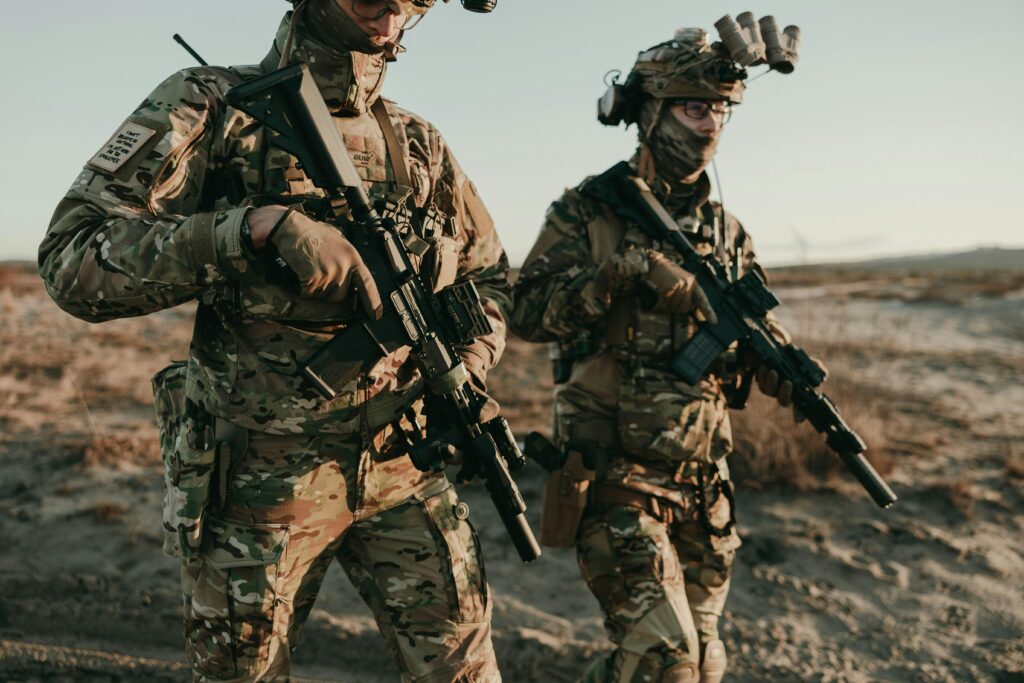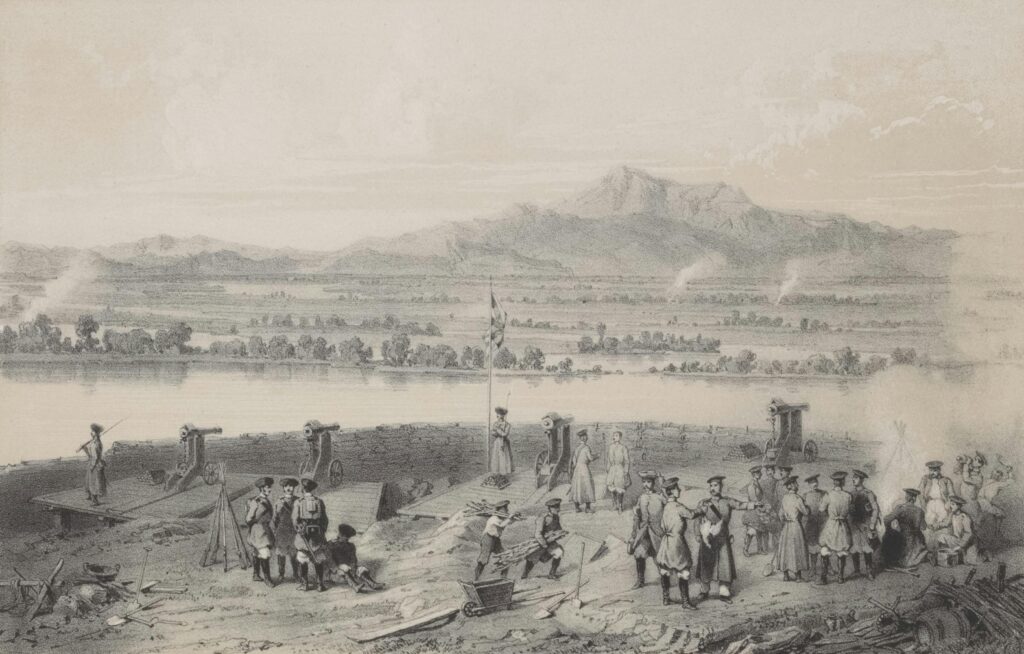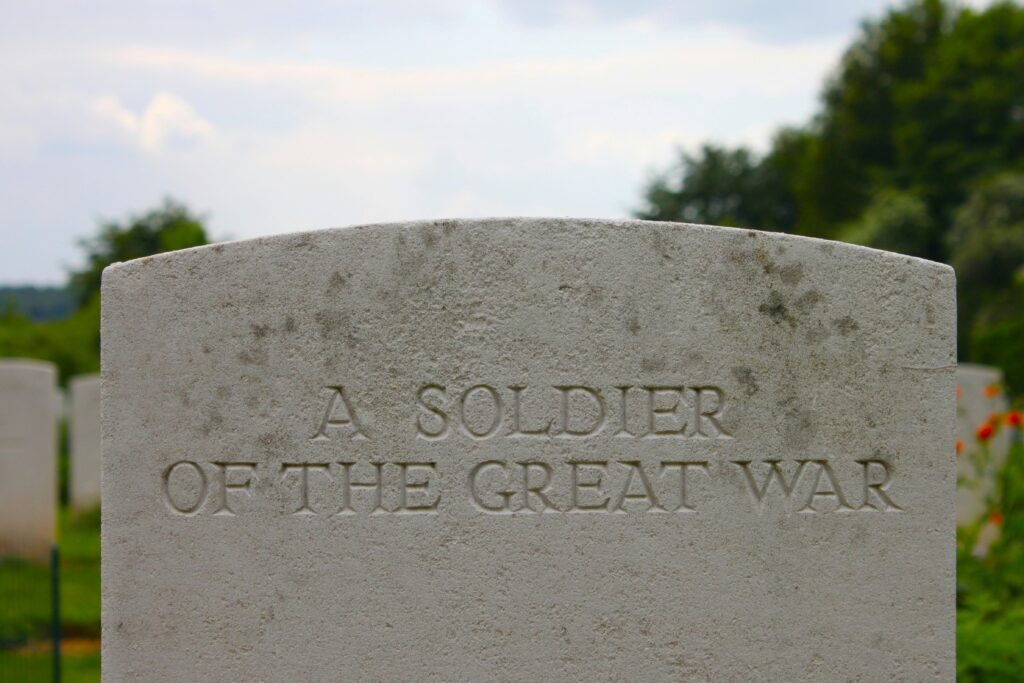


Throughout history, the presence and contributions of women in war have often been overlooked or confined to narrow roles. Yet, from the earliest battlefields to the modern frontlines, women have continuously stepped beyond traditional boundaries, evolving from caregivers and nurses into formidable soldiers and leaders. This journey reflects not only their courage and resilience but also the shifting tides of societal attitudes toward gender and warfare. In exploring the evolving roles of women in war, we uncover a rich tapestry of stories that highlight their indispensable impact and enduring spirit through the ages.
Table of Contents
- The Early Contributions Women Made as Caregivers on the Battlefield
- Breaking Barriers The Shift from Support Roles to Active Combatants
- Stories of Courage Celebrating Trailblazing Women Soldiers in Modern Warfare
- Empowering the Future Recommendations for Honoring and Supporting Women in Military Service
- Closing Remarks
The Early Contributions Women Made as Caregivers on the Battlefield
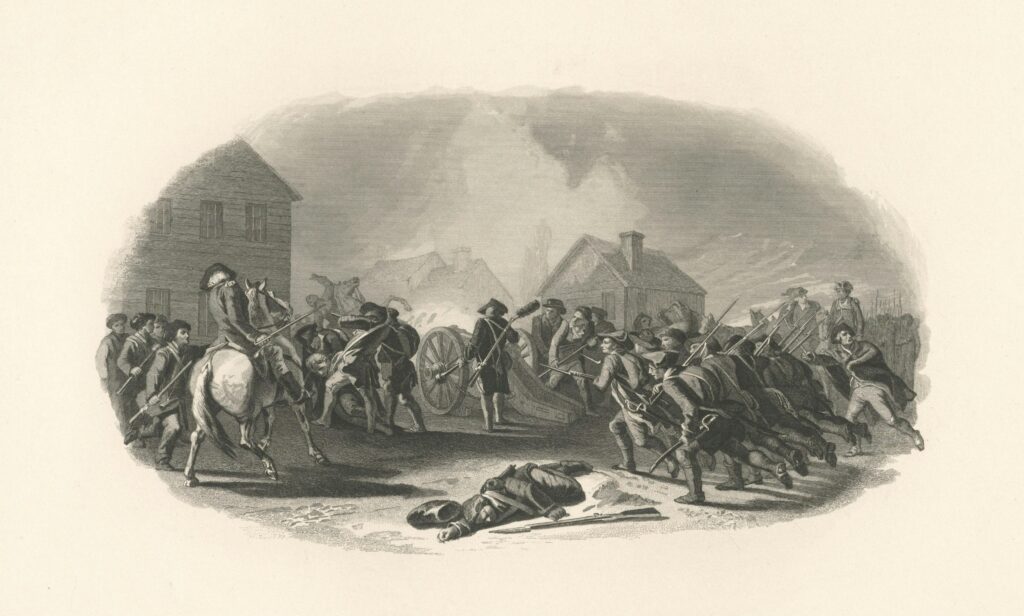
Long before women donned uniforms as soldiers, they were the unsung heroes tirelessly tending to the wounded on battlefields. These early caregivers were often family members, volunteers, or members of religious orders who braved the dangers of war zones to provide critical aid. Their presence was not merely a backdrop but a lifeline, offering not only medical attention but also emotional support during moments of chaos and despair. Despite limited resources and primitive medical knowledge, their dedication helped pave the way for organized battlefield nursing that would revolutionize wartime care in centuries to come.
Among their many duties, women performed:
- Wound cleaning and dressing, often inventing new techniques on the spot
- Administering pain relief with whatever remedies were at hand
- Preparing and distributing food and water to injured soldiers
- Providing comfort and companionship, a vital medicine in itself
Their tireless work frequently challenged the societal norms of the time, showcasing not only compassion but a remarkable resilience that laid the foundation for the formal military nursing corps and broadened perceptions of women’s capabilities during conflict.
Breaking Barriers The Shift from Support Roles to Active Combatants
For centuries, women’s involvement in warfare was largely confined to roles deemed auxiliary, such as nursing, logistics, and communications. These support positions were vital but seldom allowed women the recognition or authority granted to their male counterparts on the frontlines. However, as societal norms evolved and the demands of modern warfare grew more complex, women began to shatter these traditional boundaries. Instances of women taking up arms — whether out of necessity or conviction — gradually gained momentum, challenging deeply ingrained perceptions about gender and combat readiness.
By the mid-20th century, the shift became undeniable. Women were no longer just tending to the wounded; they were training alongside soldiers, piloting aircraft, and leading missions. This transformation was fueled by several key factors:
- World wars pushing manpower limits: National efforts required every capable individual, sparking unprecedented opportunities for women.
- Changing legal frameworks: Policies began to officially acknowledge women’s right and capacity to serve in combat roles.
- Technological advancements: As combat modernized, physical strength became less relevant compared to skill, precision, and intelligence.
Stories of Courage Celebrating Trailblazing Women Soldiers in Modern Warfare
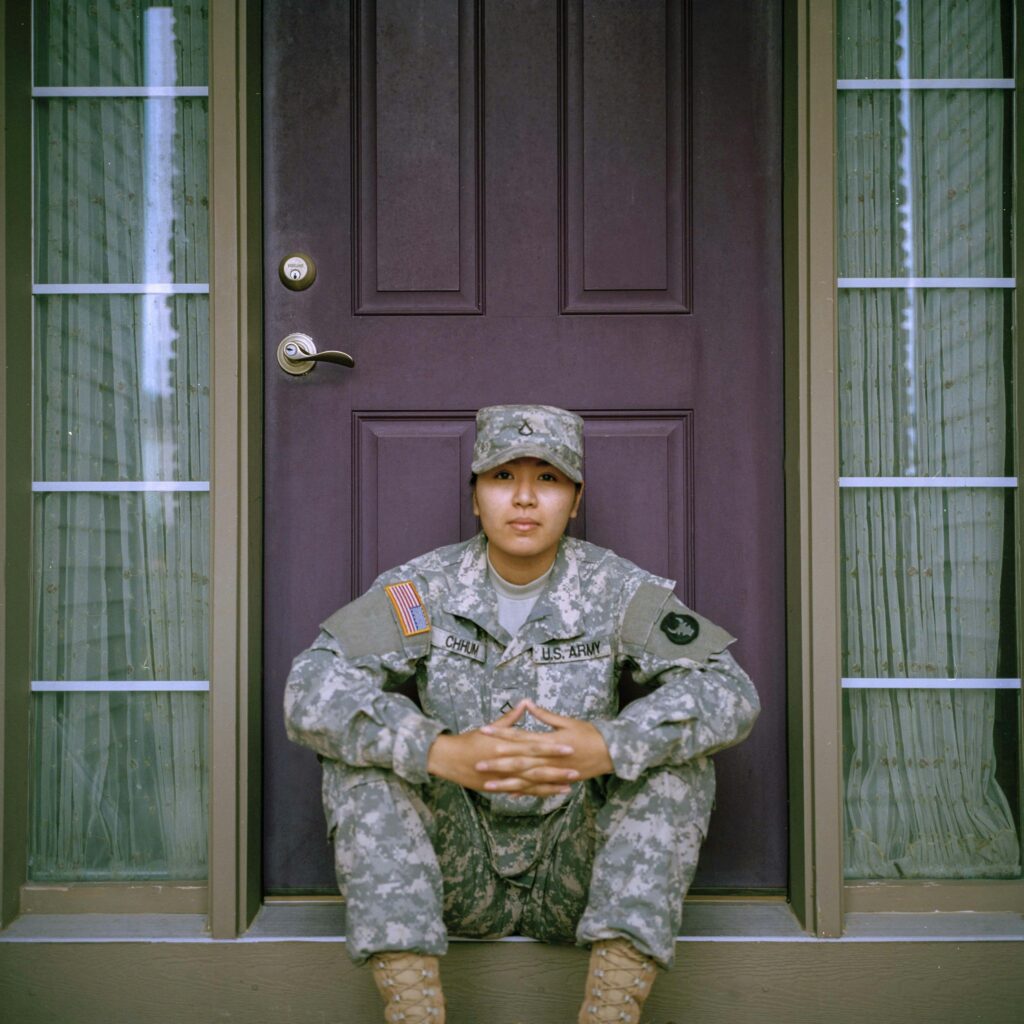
Throughout history, women warriors have shattered societal boundaries, stepping beyond traditional support roles to become integral combatants on the front lines. These trailblazing women not only demonstrated remarkable bravery but also reshaped military paradigms with their unwavering commitment. Their stories reveal a tapestry of courage where determination often met dull stereotypes. Amidst the chaos of modern warfare, these soldiers forged paths laden with resilience and an indomitable spirit, inspiring generations to come.
Notable examples of their valor include:
- Captain Kristen Griest, one of the first women to graduate from the Army Ranger School, whose success challenged gender norms in elite combat training.
- Lieutenant Colonel Tanya Duff, who led troops with strategic brilliance during peacekeeping missions in conflict zones.
- Sergeant Leigh Ann Hester, awarded the Silver Star for direct engagement with enemy insurgents, exemplifying courage under fire.
Through their victories and sacrifices, these women have not merely participated in warfare; they have revolutionized the very concept of what it means to serve, proving that valor knows no gender.
Empowering the Future Recommendations for Honoring and Supporting Women in Military Service
To truly honor the legacy of women in military service, society must move beyond mere recognition and actively invest in their future. This includes creating inclusive policies that address unique challenges faced by female service members, such as enhanced healthcare specifically tailored to women and robust support systems for those balancing military duties with family life. Mentorship programs led by accomplished women veterans can also serve as vital beacons, guiding new generations through the complexities of military careers. Furthermore, educational initiatives aimed at correcting gender biases and highlighting women’s historical and contemporary contributions can foster a culture of respect and equality within the armed forces.
Concrete steps for supporting women veterans in reintegration and career development will empower them to thrive beyond their service years. These steps might include:
- Access to specialized job training and employment opportunities that recognize military skills.
- Dedicated mental health resources focusing on challenges such as PTSD and transition stress unique to women.
- Community-building platforms where women veterans can share experiences and advocate for each other.
- Legislative efforts to ensure gender equity in military benefits and veteran services.
By embracing these approaches, society not only pays homage to the past but also ensures a resilient and valued future for women in uniform.
Closing Remarks
As we reflect on the remarkable journey of women in war, it becomes clear that their roles have transformed profoundly—from the compassionate caregivers tending to the wounded on battlefields to the courageous soldiers standing shoulder to shoulder with their comrades in arms. This evolution not only highlights the resilience and strength of women throughout history but also challenges longstanding perceptions of their place in times of conflict. As we honor their legacy, it is important to continue recognizing and supporting the vital contributions women make to the fabric of military service today and for generations to come.