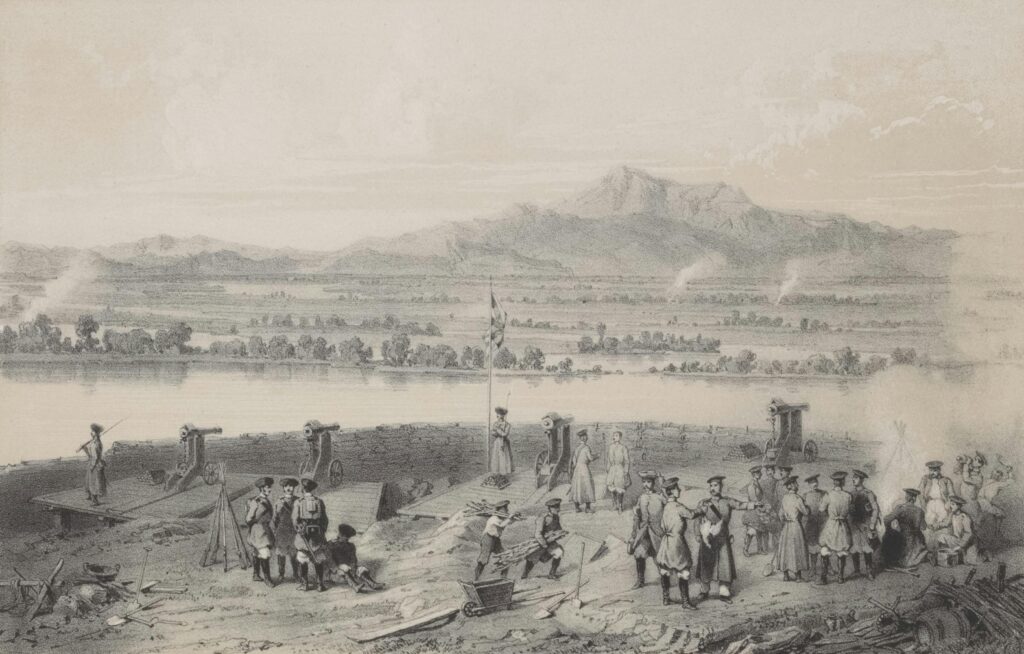


When the young United States first set sail as an independent nation, it faced a world rife with uncertainty and conflict on the high seas. Among the earliest tests of American naval resolve was the First Barbary War (1801–1805), a critical, yet often overlooked, chapter in U.S. history. This conflict against the North African Barbary States marked America’s initial foray into overseas military engagement, challenging the fledgling nation’s ability to protect its maritime commerce and assert its sovereignty. In this article, we’ll explore how the First Barbary War shaped the early U.S. Navy, influenced foreign policy, and set important precedents for America’s evolving role on the global stage.
Table of Contents
- The Origins and Causes of the First Barbary War
- Key Naval Strategies and Major Battles of the Conflict
- Impact on American Maritime Policy and Naval Development
- Lessons Learned and Recommendations for Modern Naval Preparedness
- Future Outlook
The Origins and Causes of the First Barbary War
The early 19th century witnessed a complex web of diplomatic tensions and maritime threats that set the stage for America’s first major overseas conflict. At the heart of this turmoil were the Barbary States—Morocco, Algiers, Tunis, and Tripoli—whose corsairs had long preyed on Mediterranean shipping. These North African powers imposed heavy tributes on nations to prevent attacks on their vessels, a practice that the young United States found increasingly intolerable. Unlike European maritime powers, the U.S. lacked a significant naval presence to protect its commercial interests, making American merchant ships vulnerable to seizure and their crews vulnerable to enslavement or ransom.
Several key factors led to the inevitable clash:
- Tribute demands: The Barbary rulers escalated their financial extortion, demanding larger payments from American ships.
- Failure of diplomacy: Attempts to negotiate peace with Tripoli deteriorated, especially after the Pasha of Tripoli declared war by symbolically cutting down the flagpole at the U.S. consulate.
- Assertion of sovereignty: The United States, transitioning from a fragile confederation to a confident republic, sought to assert its independence and protect its expanding maritime trade.
Key Naval Strategies and Major Battles of the Conflict
During the First Barbary War, the United States Navy relied heavily on innovative naval strategies to counter the elusive tactics of the Barbary corsairs. Instead of engaging directly in large-scale fleet battles, American commanders adopted a combination of *blockades*, *surprise attacks*, and *coastal raids* to disrupt enemy supply lines and protect American merchant vessels. The use of small, agile vessels such as schooners and sloops allowed the US Navy to navigate the shallow waters of the Mediterranean, where larger ships would be at a disadvantage. This flexible approach was crucial in countering the corsairs’ hit-and-run tactics and controlling key maritime routes.
Major engagements during the conflict showcased the growing prowess of the fledgling American naval forces. Among them, the daring 1804 assault on the fortified city of Tripoli stands out — a bold, multi-day operation involving a mix of naval bombardment and a surprise infantry attack led by Lieutenant Stephen Decatur. This raid not only inflicted significant damage on enemy vessels but also boosted American morale and international reputation. Other notable actions included the prolonged blockade of Tripoli harbor and the capture of several Barbary ships, demonstrating a strategic blend of patience and tactical aggression that ultimately led to a favorable peace settlement.
- Blockades to cut off enemy supplies and restrict corsair operations.
- Coastal raids targeting pirate bases and fortifications.
- Surprise night attacks to neutralize enemy ships at anchor.
- Naval bombardment combined with amphibious assaults.
- Use of smaller vessels for enhanced maneuverability and speed.
Impact on American Maritime Policy and Naval Development
The conflict with the Barbary States served as a critical catalyst for the transformation of American maritime policy in the early 19th century. Before this war, the fledgling United States primarily relied on diplomatic tributes and payments to protect its merchant vessels from pirate attacks. However, the bold stand taken during the First Barbary War challenged this status quo, prompting Congress and policymakers to reconsider the nation’s maritime strategy. This shift moved America away from passive accommodation toward assertive naval defense, underpinned by a newfound respect for naval power as an essential tool of diplomacy and national security.
As a direct consequence, several foundational changes reshaped the development of the U.S. Navy:
- Expansion of Naval Resources: Investments were increased to build more warships capable of sustained operations overseas.
- Establishment of a Permanent Navy: The conflict underscored the need for a standing naval force rather than reliance on ad hoc fleets or privateers.
- Professionalization of Naval Personnel: The experience gained pushed for improved training, discipline, and leadership within the naval ranks.
- Strategic Maritime Presence: The U.S. began establishing a more permanent presence in critical international waterways, signaling its emergence as a maritime power.
These advancements laid the groundwork for America’s naval evolution, helping it assert sovereignty on the high seas and influencing maritime policy for decades to come.
Lessons Learned and Recommendations for Modern Naval Preparedness
Reflecting on the First Barbary War reveals critical insights into the evolving nature of naval power and strategy. One key takeaway is the importance of flexibility in naval doctrine. Early American naval forces had to adapt quickly to unconventional threats posed by the Barbary corsairs, who used asymmetric tactics far removed from traditional naval engagements of the era. Modern navies must similarly be prepared to face diverse, non-traditional maritime challenges by investing in modular platforms and versatile capabilities that balance firepower, intelligence, and rapid response.
The conflict also underscores the necessity of international collaboration and sustained maritime presence. Establishing and maintaining security in critical sea lanes requires more than intermittent displays of force; it demands persistent engagement and alliances. Today’s naval preparedness strategies benefit from lessons such as:
- Coordinated multilateral operations to counter piracy and protect global commerce
- Investment in intelligence and surveillance technologies to anticipate asymmetric threats
- Training for irregular warfare scenarios beyond traditional naval battles
- Robust logistical support networks ensuring sustained deployment capabilities worldwide
Future Outlook
As we reflect on the First Barbary War, it’s clear that this early naval conflict was more than a mere skirmish on the high seas—it was a defining moment for the young United States. Faced with formidable challenges from the Barbary States, America’s resolve to protect its commerce and assert its sovereignty laid the groundwork for a strong and enduring naval tradition. The lessons learned and the courage displayed during this pivotal chapter continue to resonate, reminding us how determination and strategic innovation can shape a nation’s destiny. Whether you’re a history buff or simply curious about America’s early struggles, the First Barbary War offers a fascinating glimpse into the origins of American naval power and diplomacy.