
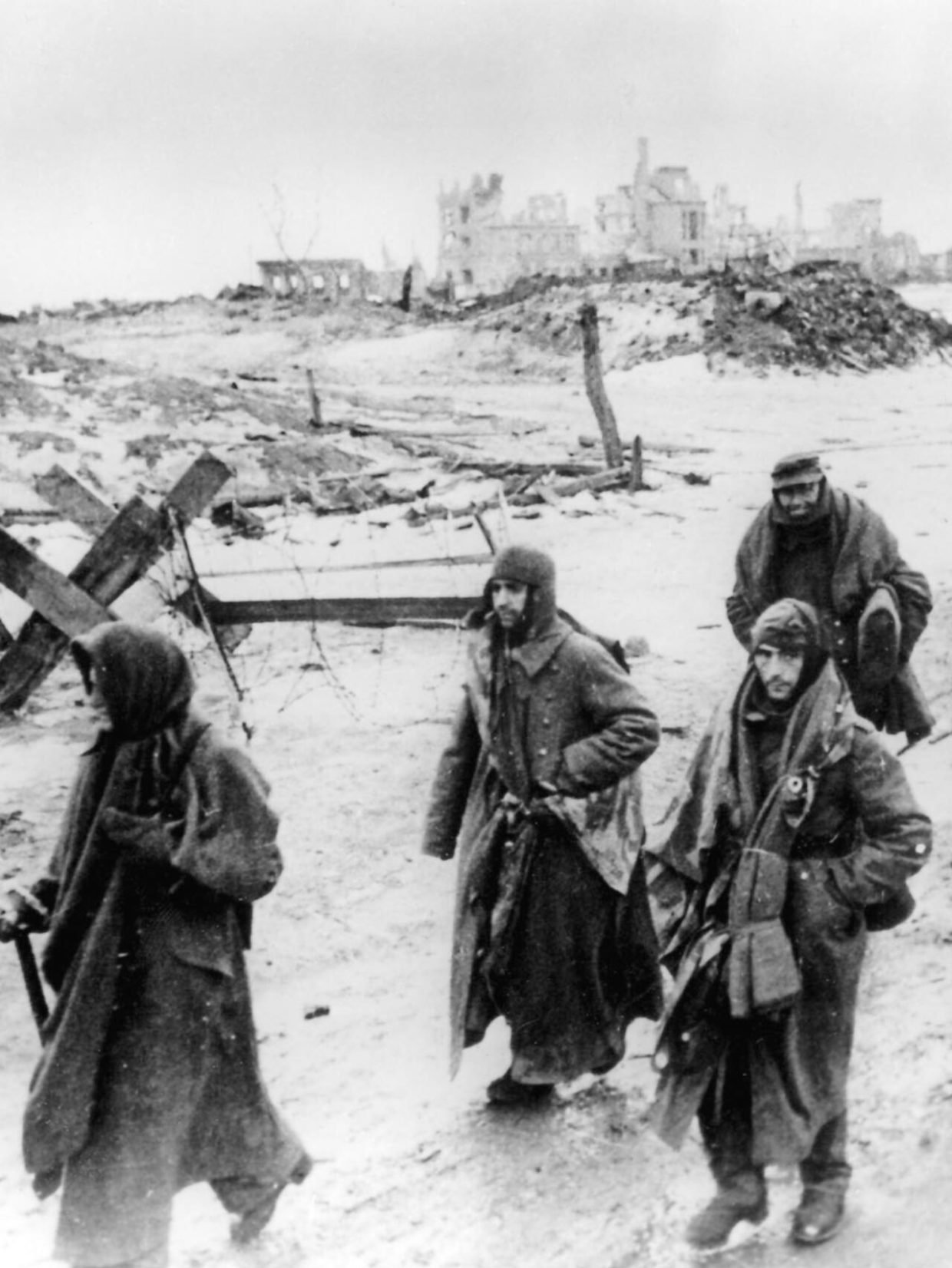
The Battle of Stalingrad stands as one of the most pivotal and harrowing clashes of World War II, marking a turning point that reshaped the course of the conflict. Fought between August 1942 and February 1943, this brutal confrontation between Nazi Germany and the Soviet Union unfolded within the ruins of a city that bore the Soviet leader’s name. Beyond its staggering human cost, the battle is remembered for the resilience, strategy, and sheer determination displayed by both sides. In this article, we’ll explore why Stalingrad wasn’t just another battle, but a defining moment that shifted the momentum of war and left an indelible mark on history.
Table of Contents
- The Strategic Significance of Stalingrad in the Eastern Front
- Heroism and Hardship Among Soldiers and Civilians
- Tactical Innovations That Shifted the Tide of War
- Lessons from Stalingrad for Modern Military Strategy
- To Conclude
The Strategic Significance of Stalingrad in the Eastern Front
Located on the western bank of the Volga River, Stalingrad held immense strategic value for both Nazi Germany and the Soviet Union. For the Germans, capturing the city meant more than just gaining a foothold in southern Russia; it was a critical step towards securing the oil-rich Caucasus region, essential for fueling the Wehrmacht’s war machine. Additionally, Stalingrad’s position as a major industrial hub and transport nexus made it a vital logistical prize—control over the city promised to disrupt Soviet supply lines and cripple their capacity to reinforce the front.
The Soviet leadership understood that the city’s symbolic and practical importance transcended its geographical location. Holding Stalingrad was about protecting the heart of the motherland and halting the relentless German advance. The battle became a powerful rallying point that galvanized Soviet resistance. Its defense not only preserved critical industrial output but also marked the beginning of a momentum shift along the Eastern Front. This transformation was underscored by:
- Boosted Soviet morale – the city’s resilience became a testament to Soviet endurance and determination.
- Disrupted Nazi strategic objectives – halting their drive to cut off Soviet oil supplies permanently.
- Set the stage for a pivotal counteroffensive that would eventually push German forces westward.
Heroism and Hardship Among Soldiers and Civilians
The battlefields of Stalingrad bore witness to acts of unparalleled courage and resilience, where soldiers and civilians alike endured unfathomable conditions. Soviet defenders, often cut off from supplies and facing brutal winter cold, found strength in their unwavering commitment to protect their homeland. From the young snipers in the rubble-strewn streets to the grizzled veterans holding their ground in bombed-out factories, heroism was not just a matter of military strategy—it was a daily act of survival and defiance. Civilians became guardians of the city too, tirelessly providing food, medicine, and shelter amid the chaos, embodying a collective will to resist that transcended the front lines.
The hardships faced went beyond simple endurance. Soldiers and civilians alike confronted:
- Relentless bombardment that turned homes and neighborhoods into ashes.
- Severe shortages of food, clean water, and medical supplies that tested their physical limits.
- Emotional torment from constant loss and the uncertainty of survival.
Yet, this shared suffering forged a profound bond, a collective spirit where every act of bravery—small or large—wove into the broader fabric of resistance. This fusion of heroism and hardship ultimately became the soul of Stalingrad’s defense, marking it as a battleground where human endurance reached its most extraordinary heights.
Tactical Innovations That Shifted the Tide of War
In the grim urban labyrinth of Stalingrad, conventional warfare gave way to unprecedented adaptive strategies that redefined combat itself. Both Soviet and German forces innovated tactically, leveraging the environment to their advantage. The Soviets pioneered “hugging the enemy”, a method wherein troops fought at point-blank range to negate the Wehrmacht’s air and artillery superiority. This close-quarters combat blurred traditional lines, turning every shattered building and ruined street into a strategic stronghold. Simultaneously, the Germans experimented with rapid infantry infiltration supported by mechanized units, aiming to isolate and dismantle Soviet pockets. These dynamic shifts injected a brutal fluidity into battle, transforming Stalingrad into a veritable chessboard of deadly ingenuity.
Key tactical elements emerged that would echo long after the guns fell silent:
- Urban Warfare Mastery: Soldiers adapted to fighting in bombed-out factories and rubble-strewn streets, emphasizing small-unit autonomy and improvisation.
- Counter-Offensive Maneuvers: The Soviets implemented Operation Uranus, encircling German forces with precision planning that hinged on unexpected thrusts through weaker Romanian and Hungarian lines.
- Zurückhaltung and Attrition: Both sides exercised calculated restraint and fierce persistence, shifting focus from rapid gains to exhausting the opponent’s resources.
These innovations ensured that the Battle of Stalingrad was not just a clash of armies, but a crucible where tactical ingenuity decisively influenced the course of history.
Lessons from Stalingrad for Modern Military Strategy
Adaptive tactics in urban warfare remain one of the most enduring lessons from Stalingrad. The battle demonstrated the supremacy of flexibility over rigid planning, as Soviet forces mastered close-quarters combat in the ruined cityscape. Modern military strategists study how small, decentralized units capitalized on intimate knowledge of the terrain, transforming rubble into strategic advantages. This highlights the importance of urban environment training and decentralized command structures in contemporary conflicts where metropolitan areas are often the battleground.
Another crucial takeaway is the value of logistical endurance and attrition warfare. Stalingrad emphasized that victory often hinges on the ability to sustain forces amid harsh conditions, cutting off enemy supply lines and wearing down morale. Today’s commanders can draw from these tactics when planning prolonged engagements, focusing not just on firepower but on disrupting the adversary’s resources and maintaining their own resilience. Critical modern strategies inspired by Stalingrad include:
- Integrated supply chain management under combat stress
- Psychological warfare to erode enemy will
- Utilization of intelligence for encirclement and isolation maneuvers
To Conclude
As we reflect on the immense scale and profound impact of the Battle of Stalingrad, it becomes clear why this confrontation stands as a defining turning point in World War II. The courage, resilience, and sacrifices of those who fought and endured amidst the ruins shaped not only the course of the war but also the broader history of the 20th century. Understanding this monumental clash reminds us of the high stakes of conflict and the enduring human spirit in the face of adversity. May the lessons of Stalingrad continue to inspire and inform generations to come.